Ok, so the next few paragraphs I have written are fresh.
Like, super fresh.
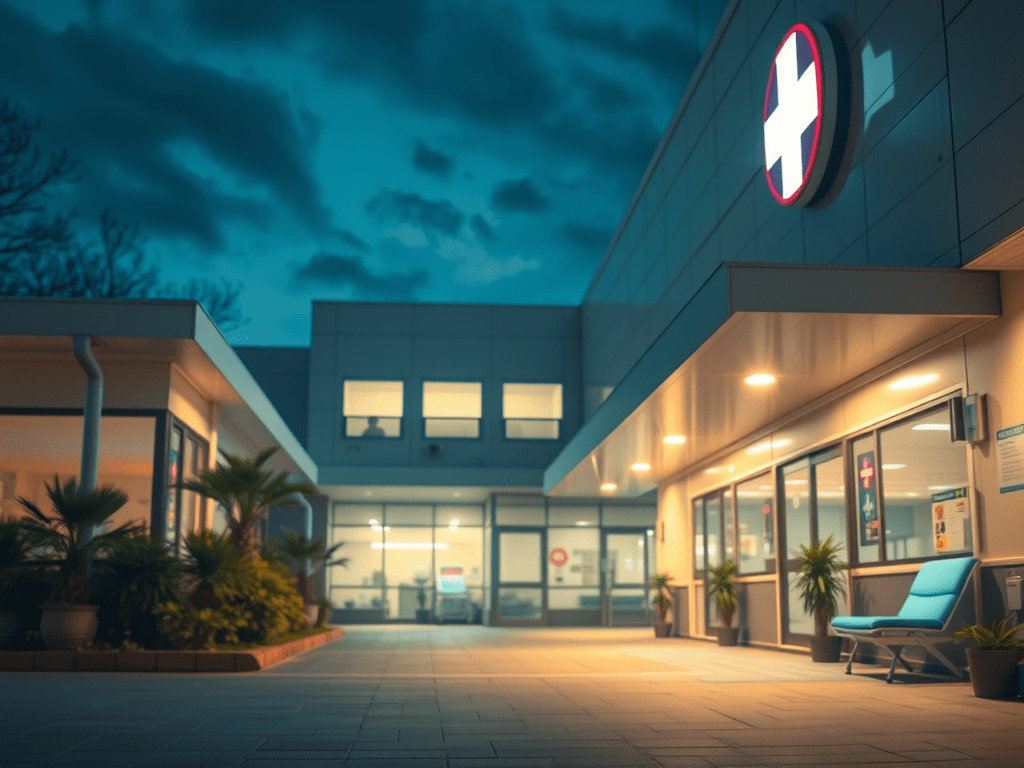
I have literally just completed a set of 3 resident nights at a Major Trauma Centre (MTC) as of yesterday morning and really wanted to share my reflections with you to highlight my updated experience. Even as I type, my fingers are moving too fast over the keyboard; erratic taps that yield misspelled words and scrambled phraseology.
Right, let’s compile something coherent.
The night shifts at said MTC were “resident”, which means I had to stay on site in the hospital and remain available in person throughout the entire 13 hour shift alongside the Resident Doctor (also known as “senior house officer” per legacy terminology). This is not usually the case for most other hospitals that aren’t MTCs, as the lower frequency of emergency admissions overnight means the Specialist Registrar is not required on site and can go home in the evening and be available “on call” at home via their mobile. They can be phoned at any time overnight by the hospital or the Resident Doctor for senior advice or be asked to come to hospital in an emergency. The downside is that, under these circumstances, Registrars are expected to work for 24 hours. This comprises normal, in-hospital routine work during the day e.g. clinics and operating, and then rest at home overnight on the proviso they can be called back into hospital at any time. MTCs are staffed differently because these hospitals accept more serious traumatic injuries, e.g. from road traffic collisions or other such traumatic incidents, hence the name. These centres are set up with specialised emergency care to deal with such presentations and can be busy overnight, with very unwell and unstable patients coming in who may require urgent specialist input, including emergency surgery. Accordingly, the Registrar stays on site overnight to provide seamless emergency care. In the case of an emergency, they will immediately be on hand and be able to phone the Consultant on-call to come into hospital to provide further senior support.
Currently, I have the privilege of comparing these last 3 nights with my previous night shifts at this exact same MTC around 2 years ago, when I had just started as a brand new ST3 (for those of you less familiar with this terminology, ST3 denotes a year 1 Registrar). Now, as an ST5 (year 3 Registrar), I have two years’ worth of experience under my belt working as a Specialist Registrar Trauma and Orthopaedic Surgeon in the NHS. This makes for a totally different experience which I can’t wait to share with you. Keep reading below if you want to find out more..
Firstly, I felt a lot less trepidation about what could come in. I felt calm and controlled, and less daunted by the pathology I encountered. I could make decisions more efficiently and apply logical, higher order thinking more systematically. I also noticed a change in the way I presented information in the morning trauma meetings, conveying more specific knowledge of the patients as well as details that could cause potential issues for surgery etc. I was fortunate enough to work with an excellent Resident Doctor who kept the shift running very smoothly with their extensive knowledge of protocols, pathways and programmes. I generally prefer to be awake for the whole night and remain actively involved in patient care so that I can ensure all the patients have had senior input and accountability during the shift.
Secondly, I felt more competent with basic procedural skills. This is something that takes time to develop and I certainly have noticed the progression, in part due to things like better fracture reductions, but also being able to teach the Resident Doctors about how to perform the procedure well.
Thirdly, my ability to sustain myself during the night shifts was far better. I seamlessly slipped into a healthy routine, which enormously helped me feel calmer and more alert during the nights. I’ve outlined the things I found the most useful in case it’s helpful for you too:
- I made sure I slept well on Sunday night, avoiding caffeine and other such stimulants all day, and maintaining good sleep hygiene.
- On the Monday, I awoke for a brief few hours to create the illusion of “having a day”. This comprised my normal morning routine and going for a short walk to obtain some daylight. I found this tricked my body into thinking I had been awake for the day and so I could therefore accelerate my sleep-wake cycle. I then conducted my night time routine and maintained good sleep hygiene before getting back into bed, once again tricking my body into thinking it was time to sleep. As luck would have it, I slept peacefully until my alarm in the evening, feeling reasonably fresh for the night.
- During the night, I ensured I didn’t consume any energy or caffeine-based supplements to avoid exogenously stimulating my body. Our bodies and minds undergo tremendous stress at night, and so increasing the stress response with stimulants doesn’t really work for me. I feel it also compromises my eventual sleep as it forces my cortisol levels to be higher than they already would be during nights.
- I took in plenty of varied food (I’ve mentioned this previously in my post “5 Optimisations I Have Made For Nightshifts“) which helped make eating more efficient and satisfy any cravings I normally get during the night. The key here is “varied” – I took tupperwares of tasty frozen meals I had prepared in advance, a loaf of bread, houmous, fruit, hot cross buns, and a lovely supply of chocolate digestives, Maryland cookies, and a huge bar of Dairy Milk. I also ensured I ate my last big meal around 5am which then afforded me time to have digested the food before sleeping, allowing a much better quality sleep.
- I slept as soon as I could when I arrived home, putting the blinds down and turning the night lamp on to tap into my body’s natural instinct to sleep. I tried meditation or reading and fell asleep almost immediately with both, which was good.
I have customarily found it notoriously challenging to return to a normal circadian rhythm following night shifts (see my previous post 5am Run). I realise it’s still early since the most imminent set of nights, however, I slept as soon as possible after I returned home yesterday morning at around 0930, and awoke at around 1330. I’d booked in a haircut which meant I was forced to wake up and climb out of bed, so I couldn’t fall back asleep. My body felt pretty jittery so I worked off some of the energy at the gym – I find exercise is amazing to shake free the cobwebs from these shifts, as often my mind can subconsciously replay the on-call which can increase my underlying, subconscious stress levels and hamper my ability to relax and sleep. I also try to avoid alcohol (at the very least large amounts) in the immediate throes post night shifts as it reduces sleep quality and the first normal night’s sleep is critical in my opinion to be able to return to a normal circadian rhythm as quickly as possible.
So, having forced myself up this morning at 7am to hard-reset my body clock, I’m feeling pretty ok, thankfully. The main thing I still struggle with is the ability to focus in the few days post nights. I feel a bit jittery and can find my mind bounces around a lot more than usual. I try and double down on meditation and avoid over-caffeination to help combat the worst of these symptoms. However, I hope this positive reflection is a useful insight into the fact that sometimes things do improve with time and experience. Naturally, there are still hundreds of learning points to take home as I’m by no means perfect, as attested by the morning trauma meetings, but I just subjectively felt more comfortable with the whole situation which is definitely progress. And progress is what we want, right?
 Vasudev Zaver